Chapterبەش 3 · Lectureوانە 3.1
Digital Citizenship: Footprints, Netiquette and Cyberbullyingهاووڵاتیبوونی دیجیتاڵی: شوێنپێ دیجیتاڵییەکان، ئادابی ئینتەرنێت و ئازاردانی سایبەری
Life online has rights and duties too. The trail of data you leave behind (your digital footprint), active and passive prints, why deleting is not forgetting, good manners for the Internet, for messages and for social media, a three-question check against fake news, and what to do about cyberbullying and trolls.
ژیانی ئۆنلاینیش ماف و ئەرکی خۆی هەیە. ئەو شوێنەوارەی کە لە دوای خۆت بەجێی دەهێڵیت ()، شوێنپێی چالاک و ناچالاک، بۆچی سڕینەوە واتای لەبیرچوونەوە نییە، ڕەفتاری باش لە ، لە نامەکان و لە ، پشکنینێکی سێ پرسیاری دژی و ئەوەی چی بکەیت بەرامبەر و .
What you will learnچی فێر دەبیت
- Explain what a netizen is and why a digital citizen has rights and duties, like a citizen of a town.
- Describe a digital footprint, tell active from passive footprints, say where they are kept and why deleting does not remove every copy.
- Apply net etiquette (ethical, respectful, responsible), communication etiquette (precise, polite, credible) and social-media etiquette (secure, reliable).
- Check a surprising post with three questions before believing or sharing it.
- Recognise cyberbullying and trolling, and respond with five steps: stop, save, block, report, tell.
- ڕوونی بکەیتەوە کێیە و بۆچی ماف و ئەرکی هەیە، وەک هاووڵاتیی شارێک.
- وەسف بکەیت، شوێنپێی چالاک و ناچالاک لێک جیا بکەیتەوە، بڵێیت لە کوێ هەڵدەگیرێن و بۆچی سڕینەوە هەموو کۆپییەکان لا نابات.
- (پابەندی ئەخلاق، ڕێزگر، بەرپرسیار)، ئادابی پەیوەندیکردن (ورد، بە ئەدەب، جێی متمانە) و ئادابی (خۆپارێز، جێی پشت پێبەستن) جێبەجێ بکەیت.
- پۆستێکی سەرسوڕهێنەر بە سێ پرسیار بپشکنیت پێش ئەوەی باوەڕی پێ بکەیت یان بڵاوی بکەیتەوە.
- و ترۆڵکردن بناسیتەوە و بە پێنج هەنگاو وەڵام بدەیتەوە: بوەستە، پاشەکەوت بکە، بلۆک بکە، ڕاپۆرت بکە، پێی بڵێ.
Living in a digital societyژیان لە کۆمەڵگەیەکی دیجیتاڵیدا
Think of one ordinary day. You check the weather on your phone, follow a lecture online, send a voice message to your family, pay a bill with a banking app and order a book from an online shop. Communication, school, banking, shopping, entertainment and even transport now run partly online. A society that does more and more of its daily life with digital technology is a digital society.
ڕۆژێکی ئاسایی بهێنە بەرچاوت. لە مۆبایلەکەتدا سەیری کەشوهەوا دەکەیت، وانەیەک بە ئۆنلاین دەخوێنیت، نامەیەکی دەنگی بۆ خێزانەکەت دەنێریت، بە بانک پسوولەیەک دەدەیت و لە فرۆشگایەکی ئۆنلاینەوە داوای کتێبێک دەکەیت. پەیوەندیکردن، خوێندن، بانک، بازاڕکردن، کات بەسەربردن و تەنانەت گواستنەوەش ئێستا بەشێکیان بە ئۆنلاین دەکرێن. کۆمەڵگەیەک کە ژیانی ڕۆژانەی زیاتر و زیاتر بە تەکنەلۆجیای دیجیتاڵی بەڕێوە دەبات کۆمەڵگەیەکی دیجیتاڵییە.
Anyone who uses digital technology and the Internet is a netizen, a digital citizen. In a town, a citizen has rights — to be safe, to have privacy, to speak freely — and duties — to obey the law and to respect the neighbours. Online it is the same. Being a good netizen means using technology safely, ethically and legally: protecting yourself, treating other people well and staying within the law.
هەر کەسێک تەکنەلۆجیای دیجیتاڵی و بەکار بهێنێت . لە شارێکدا هاووڵاتی مافی هەیە — سەلامەتی، ، ئازادیی قسەکردن — هەروەها ئەرکی هەیە — ڕەچاوکردنی یاسا و ڕێزگرتن لە دراوسێکان. لە ئینتەرنێتیشدا هەر وایە. باش بوون واتە بەکارهێنانی تەکنەلۆجیا بە سەلامەتی، بە ئەخلاق و بەپێی یاسا: پاراستنی خۆت، هەڵسوکەوتی باش لەگەڵ خەڵکی تر و مانەوە لە ناو سنووری یاسادا.
Anyone who uses digital technology and the , for example for school, shopping, banking or chatting. A good one uses it safely, ethically and legally and respects other people online.
هەر کەسێکە کە تەکنەلۆجیای دیجیتاڵی و بەکار دەهێنێت، بۆ نموونە بۆ خوێندن، بازاڕکردن، بانک یان چات. کەسی باش لەم جۆرە بە سەلامەتی، بە ئەخلاق و بەپێی یاسا بەکاری دەهێنێت و لە ئینتەرنێتدا ڕێز لە خەڵکی تر دەگرێت.
Living in a digital societyژیان لە کۆمەڵگەیەکی دیجیتاڵیدا
The Internet is a very large neighbourhoodئینتەرنێت گەڕەکێکی زۆر گەورەیە
In your neighbourhood people know your face. You greet the neighbours, you do not open their letters, and if you shout at someone in the bazaar, others see it and remember it. The Internet is a very large neighbourhood: the same manners apply, but your words travel further and stay longer.
لە گەڕەکەکەتدا خەڵک دەموچاوت دەناسن. سڵاو لە دراوسێکان دەکەیت، نامەکانیان ناکەیتەوە و ئەگەر لە بازاڕدا هاوار بەسەر کەسێکدا بکەیت، خەڵکی تر دەیبینن و لە بیریان دەمێنێت. گەڕەکێکی زۆر گەورەیە: هەمان ئادابی تێدا کار دەکات، بەڵام قسەکانت دوورتر دەڕۆن و زیاتر دەمێننەوە.
Where the analogy stops workingسنووری ئەم نموونەیە
Online, people may not know who you really are, and you may not know who they are. That makes some people braver and ruder than they would be face to face — and it makes careful checking more important.
لە ئینتەرنێتدا ڕەنگە خەڵک نەزانن بە ڕاستی تۆ کێیت و تۆش نەزانیت ئەوان کێن. ئەمە وا لە هەندێک کەس دەکات لە ڕووبەڕووبوونەوە ئازاتر و بێئەدەبتر بن — هەروەها پشکنینی وردیش گرنگتر دەکات.
This lesson has three parts: the trail you leave online (your digital footprint), the manners of good netizens (net, communication and social-media etiquette), and protecting each other (cyberbullying, trolls and the law at home).
ئەم وانەیە سێ بەشی هەیە: ئەو شوێنەوارەی بەجێی دەهێڵیت ()، ئادابی باش (، ئادابی پەیوەندیکردن و ئادابی ) و پاراستنی یەکتر (، و یاسا لە وڵاتی خۆمان).
Living in a digital societyژیان لە کۆمەڵگەیەکی دیجیتاڵیدا
Activity: list your online servicesچالاکی: خزمەتگوزارییە ئۆنلاینەکانت بنووسە
As a digital citizen, list the online services you use in one normal week. Sort them into groups: communication, learning, money, shopping, entertainment, government and travel. Then mark the services that know your real name, your phone number or your location.
وەک ، ئەو خزمەتگوزارییە ئۆنلاینانە بنووسە کە لە هەفتەیەکی ئاساییدا بەکاریان دەهێنیت. بە گرووپ ڕێکیان بخە: پەیوەندیکردن، فێربوون، پارە، بازاڕکردن، کات بەسەربردن، حکومەت و گەشت. پاشان ئەو خزمەتگوزارییانە دیاری بکە کە ناوی ڕاستەقینەت، ژمارەی مۆبایلەکەت یان شوێنی بوونت دەزانن.
Hintئاماژە
Open your phone's app list: each app is usually one service.
لیستی مۆبایلەکەت بکەرەوە: هەر ئەپێک زۆرجار یەک خزمەتگوزارییە.
Show answerوەڵامەکە پیشان بدە
| Groupگرووپ | Servicesخزمەتگوزارییەکان | Knows name / phone / location?ناو / ژمارە / شوێن دەزانێت؟ |
|---|---|---|
| Communicationپەیوەندیکردن | a messaging app, e-mail, video calls نامەناردن، ، پەیوەندیی ڤیدیۆیی | name and phoneناو و ژمارە |
| Learningفێربوون | the university's learning platform, an online dictionary, video lessonsپلاتفۆرمی فێربوونی زانکۆ، فەرهەنگێکی ئۆنلاین، وانەی ڤیدیۆیی | nameناو |
| Moneyپارە | a bank or mobile-wallet app, phone top-up بانک یان جزدانی مۆبایل، پڕکردنەوەی باڵانس | name, phone and moreناو، ژمارە و زیاتر |
| Shoppingبازاڕکردن | an online shop, food deliveryفرۆشگایەکی ئۆنلاین، گەیاندنی خواردن | name, phone and locationناو، ژمارە و شوێن |
| Entertainmentکات بەسەربردن | video streaming, music, a gameسەیرکردنی ڤیدیۆی ئۆنلاین، مۆسیقا، یارییەک | often only an account nameزۆرجار تەنها ناوی هەژمار |
| Government and travelحکومەت و گەشت | an online appointment for ID papers, a taxi app, mapsوادەی ئۆنلاین بۆ بەڵگەنامەی ناسنامە، تەکسی، نەخشە | name, phone and locationناو، ژمارە و شوێن |
Most students find 15 to 30 services. Every one of them keeps some data about you — and that is where the next screen begins.
زۆربەی خوێندکاران ١٥ تا ٣٠ خزمەتگوزاری دەدۆزنەوە. هەر یەکێکیان هەندێک دەربارەی تۆ هەڵدەگرێت — شاشەی داهاتوو لێرەوە دەست پێ دەکات.
Your digital footprintشوێنپێ دیجیتاڵییەکەت
Every time you go online you leave a trail of data behind you, like footprints in fresh snow. This trail is your digital footprint. It includes the websites you visit, the searches you type, the e-mails and messages you send, the posts, likes and comments you make, and the forms you fill in. It also includes technical details you never typed: your device's IP address (its address on the Internet), your location, and details of your device and browser. Such data about your data is called metadata.
هەر جارێک دەچیتە سەر ئینتەرنێت، شوێنەوارێک لە لە دوای خۆت بەجێ دەهێڵیت، وەک شوێنپێ لەسەر بەفری تازە. ئەم شوێنەوارە . سەردانەکانت بۆ ، ئەو شتانەی بەدوایاندا دەگەڕێیت، ئەو و نامانەی دەینێریت، پۆست، لایک و کۆمێنتەکانت و ئەو فۆڕمانەی پڕیان دەکەیتەوە هەموویان دەگرێتەوە. هەروەها وردەکاریی تەکنیکی دەگرێتەوە کە هەرگیز نەتنووسیون: ئامێرەکەت (ناونیشانەکەی لە )، شوێنی بوونت و زانیاری دەربارەی ئامێرەکەت و . ئەم جۆرە دەربارەی پێی دەوترێت مێتاداتا.
All the information about you that stays online because of what you and other people post, search for and do on the .
بریتییە لە هەموو ئەو زانیارییانەی دەربارەی تۆ کە لە دەمێننەوە، بەهۆی ئەو شتانەی خۆت و کەسانی تر بڵاوی دەکەنەوە، بەدوایدا دەگەڕێن یان دەیکەن.
The more you use the Internet, the longer the trail grows. That is not bad in itself — but it is good to know the trail is there, so that you think about what you write, upload, download and even browse.
هەتا زیاتر بەکار بهێنیت، شوێنەوارەکە درێژتر دەبێت. ئەمە بە خۆی خراپ نییە — بەڵام باشە بزانیت ئەم شوێنەوارە هەیە، بۆ ئەوەی بیر لە نووسین، ، و تەنانەت سەیرکردنی شتەکان بکەیتەوە.
Your digital footprintشوێنپێ دیجیتاڵییەکەت
Active and passive footprintsشوێنپێی چالاک و ناچالاک
There are two kinds of footprint. An active footprint is data you share on purpose: a post, a comment, a review, an e-mail, a form you fill in, a photo you upload. A passive footprint is data collected without you doing anything special: your browsing history, the cookies that remember your visits, which apps you open and for how long, your location history and your IP address.
دوو جۆر شوێنپێ هەیە. چالاک ئەو کە بە ئەنقەست هاوبەشی دەکەیت: پۆستێک، کۆمێنتێک، هەڵسەنگاندنێک، ، فۆڕمێک کە پڕی دەکەیتەوە، وێنەیەک کە باری دەکەیت. ناچالاک ئەو کە بێ ئەوەی کارێکی تایبەت بکەیت کۆ دەکرێتەوە: مێژووی گەڕانەکەت لە ، ئەو سەردانەکانت لەبیر دەهێڵنەوە، کام دەکەیتەوە و بۆ چەند کات، مێژووی شوێنەکانت و .
| Active — you chose to share itچالاک — خۆت هەڵتبژارد هاوبەشی بکەیت | Passive — it was recorded while you did something elseناچالاک — لە کاتێکدا تۆمار کرا کە کارێکی ترت دەکرد |
|---|---|
| Writing a comment under a news postنووسینی کۆمێنتێک لە ژێر پۆستێکی هەواڵدا | The app noting which posts you stop to watch, and for how long تۆمار دەکات لە سەر کام پۆست ڕادەوەستیت بۆ سەیرکردن و بۆ چەند کات |
| Filling in a form to register for an English courseپڕکردنەوەی فۆڕمێک بۆ خۆتۆمارکردن لە خولێکی ئینگلیزیدا | The website recording your IP address and device when the form opens و ئامێرەکەت تۆمار دەکات کاتێک فۆڕمەکە دەکرێتەوە |
| Sending a voice message to the family groupناردنی نامەیەکی دەنگی بۆ گرووپی خێزان | Your phone's location history, if it is switched onمێژووی شوێنەکانی مۆبایلەکەت، ئەگەر هەڵکرابێت |
| Writing a review of a restaurant in Erbilنووسینی هەڵسەنگاندنێک بۆ چێشتخانەیەک لە هەولێر | Cookies that remember you looked at shoe shops, so shoe adverts follow youئەو لەبیریان دەمێنێت سەیری دوکانی پێڵاوت کردووە، بۆیە ڕیکلامی پێڵاو بەدوات دەکەون |
A simple test: did you choose to share it? Then it is active. Was it recorded while you were doing something else? Then it is passive. The third-party cookies that follow you from site to site are explained in Cookies.
تاقیکردنەوەیەکی سادە: ئایا خۆت هەڵتبژارد هاوبەشی بکەیت؟ کەواتە چالاکە. ئایا لە کاتێکدا تۆمار کرا کە کارێکی ترت دەکرد؟ کەواتە ناچالاکە. ئەو لایەنی سێیەم کە لە تۆڕگەیەکەوە بۆ تۆڕگەیەکی تر بەدوات دەکەون لە کووکییەکان ڕوون کراونەتەوە.
Where your footprints are keptشوێنپێکانت لە کوێ هەڵدەگیرێن
Footprints are kept in two places. On your own device, the web browser stores your browsing history, cookies, saved passwords and autofill data — the names, addresses and card numbers it offers to type for you. You can see all of these in the browser's settings, and you can delete them. On other people's computers: most of your footprint is stored on the servers of the apps and websites you use — the social network, the shop, the search engine. You cannot open those servers, and you do not decide how long they keep the data or what they do with it.
شوێنپێکان لە دوو شوێن هەڵدەگیرێن. لەسەر ئامێرەکەی خۆت: مێژووی گەڕانەکەت، ، پاشەکەوتکراو و پڕکردنەوەی خۆکار هەڵدەگرێت — ئەو ناو، ناونیشان و ژمارە کارتانەی پێشنیار دەکات لە جیاتی تۆ بیاننووسێت. هەموویان لە ڕێکخستنەکانی دەبینیت و دەتوانیت بیانسڕیتەوە. لەسەر کۆمپیوتەری کەسانی تر: زۆربەی لەسەر و هەڵدەگیرێت کە بەکاریان دەهێنیت — ، فرۆشگاکە، . ناتوانیت ئەو ڕاژەکارانە بکەیتەوە و تۆ بڕیار نادەیت بۆ چەند کات هەڵدەگرن یان چی لێ دەکەن.
Where your footprints are keptشوێنپێکانت لە کوێ هەڵدەگیرێن
How footprints are usedشوێنپێکان چۆن بەکار دەهێنرێن
Whoever holds your footprints can use them — for good and for bad:
هەر کەسێک شوێنپێکانتی لا بێت دەتوانێت بەکاریان بهێنێت — بۆ باش و بۆ خراپ:
- Targeted adverts. Companies show you adverts based on what you searched for and visited.
- Tracking and profiling. Data from many places is joined into a picture of your interests, habits and movements — see behaviour profiling; governments can use such data for surveillance too.
- Misuse. If a company is breached, or if someone collects what you post in public, your data can be used for scams and identity theft, or to learn where you live and when you are away.
- Tracing people. The same trail helps the police find people who threaten, cheat or bully others online.
- ڕیکلامی ئاراستەکراو. کۆمپانیاکان بەپێی ئەوەی بەدوایدا گەڕاویت و سەردانت کردووە ڕیکلامت پیشان دەدەن.
- بەدواداچوون و پرۆفایلدروستکردن. لە زۆر شوێنەوە کۆ دەکرێتەوە و وێنەیەک لە حەز، خوو و هاتوچۆکانت دروست دەکات — بڕوانە پرۆفایلی ڕەفتار؛ حکومەتەکانیش دەتوانن ئەم جۆرە بۆ چاودێری بەکار بهێنن.
- خراپ بەکارهێنان. ئەگەر دزە بکرێتە کۆمپانیایەک، یان کەسێک ئەوەی بە ئاشکرا پۆستی دەکەیت کۆ بکاتەوە، دەکرێت بۆ فێڵ و دزینی ناسنامە بەکار بهێنرێت، یان بۆ زانینی ئەوەی لە کوێ دەژیت و کەی لە ماڵ نیت.
- دۆزینەوەی کەسەکان. هەمان شوێنەوار یارمەتیی پۆلیس دەدات ئەو کەسانە بدۆزێتەوە کە لە ئینتەرنێتدا هەڕەشە لە خەڵک دەکەن، فێڵیان لێ دەکەن یان ئازاریان دەدەن.
How companies read your personality from likes, posts and other digital footprints, and use it for targeted adverts and persuasion.
کۆمپانیاکان چۆن لە لایک، پۆست و ترەوە کەسایەتیت دەخوێننەوە و بۆ ڕیکلامی ئامانجدار و قایلکردن بەکاری دەهێنن.
Segment 0:00-8:37: the Cambridge Analytica story (told carefully, as alleged), how targeting works, what digital footprints reveal about personality, and evidence that targeted adverts work. Stops before the future and ethics part.
لە 0:00 تا 8:37 پەخش دەبێت: چیرۆکی Cambridge Analytica (بە وریایی و وەک تۆمەت گێڕدراوەتەوە)، ئامانجگرتن چۆن کار دەکات، چی دەربارەی کەسایەتی ئاشکرا دەکەن و بەڵگە لەسەر ئەوەی ڕیکلامی ئامانجدار کاریگەرە. پێش بەشی داهاتوو و ئەخلاق ڕادەوەستێت.
Where your footprints are keptشوێنپێکانت لە کوێ هەڵدەگیرێن
Why deleting is not forgettingبۆچی سڕینەوە واتای لەبیرچوونەوە نییە
You can delete a post, a photo or even your whole account. But deleting removes your copy, not every copy:
دەتوانیت پۆستێک، وێنەیەک یان تەنانەت هەموو بسڕیتەوە. بەڵام سڕینەوە کۆپییەکەی خۆت لا دەبات، نەک هەموو کۆپییەکان:
- Other people's copies. Anyone who saw it could save it, forward it or take a screenshot. Those copies are theirs now, not yours.
- Messages you sent. A message you sent stays in the other person's chat, even after you delete your account.
- The company's servers and backups. Deleting takes time on a big platform. Facebook's help centre, for example, says it can take up to 90 days to remove everything you posted after you delete your account, and that copies may stay longer in backup storage used for disaster recovery.
- Search engines and web archives may keep an old copy of a public page for some time.
- کۆپیی کەسانی تر. هەر کەسێک بینیبێتی دەیتوانی پاشەکەوتی بکات، بینێرێت بۆ کەسێکی تر یان لێ بگرێت. ئەو کۆپییانە ئێستا هی ئەوانن، نەک هی تۆ.
- ئەو نامانەی ناردووتن. نامەیەک کە ناردووتە لە چاتی کەسەکەی تردا دەمێنێتەوە، تەنانەت دوای سڕینەوەی هەژمارەکەت.
- و کۆمپانیاکە. لە پلاتفۆرمێکی گەورەدا سڕینەوە کاتی دەوێت. بۆ نموونە، ناوەندی یارمەتیی فەیسبووک دەڵێت دوای سڕینەوەی هەژمارەکەت لابردنی هەموو ئەو شتانەی پۆستت کردوون دەکرێت تا ٩٠ ڕۆژ بخایەنێت و لەوانەیە کۆپییەکان ماوەیەکی زیاتر لە بمێننەوە کە بۆ بەکار دێن.
- و ئەرشیفەکانی وێب لەوانەیە کۆپییەکی کۆنی لاپەڕەیەکی گشتی بۆ ماوەیەک هەڵبگرن.
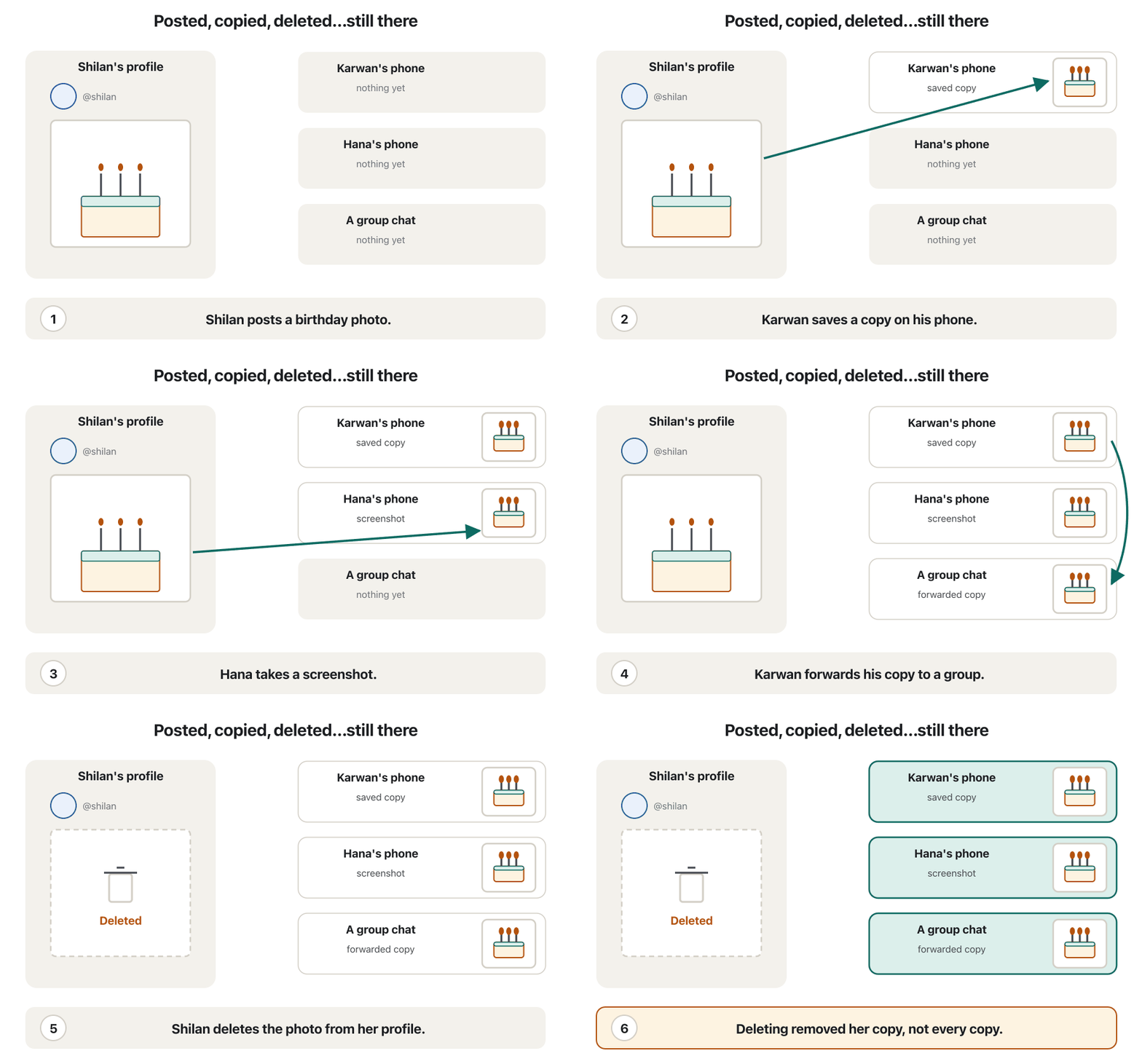
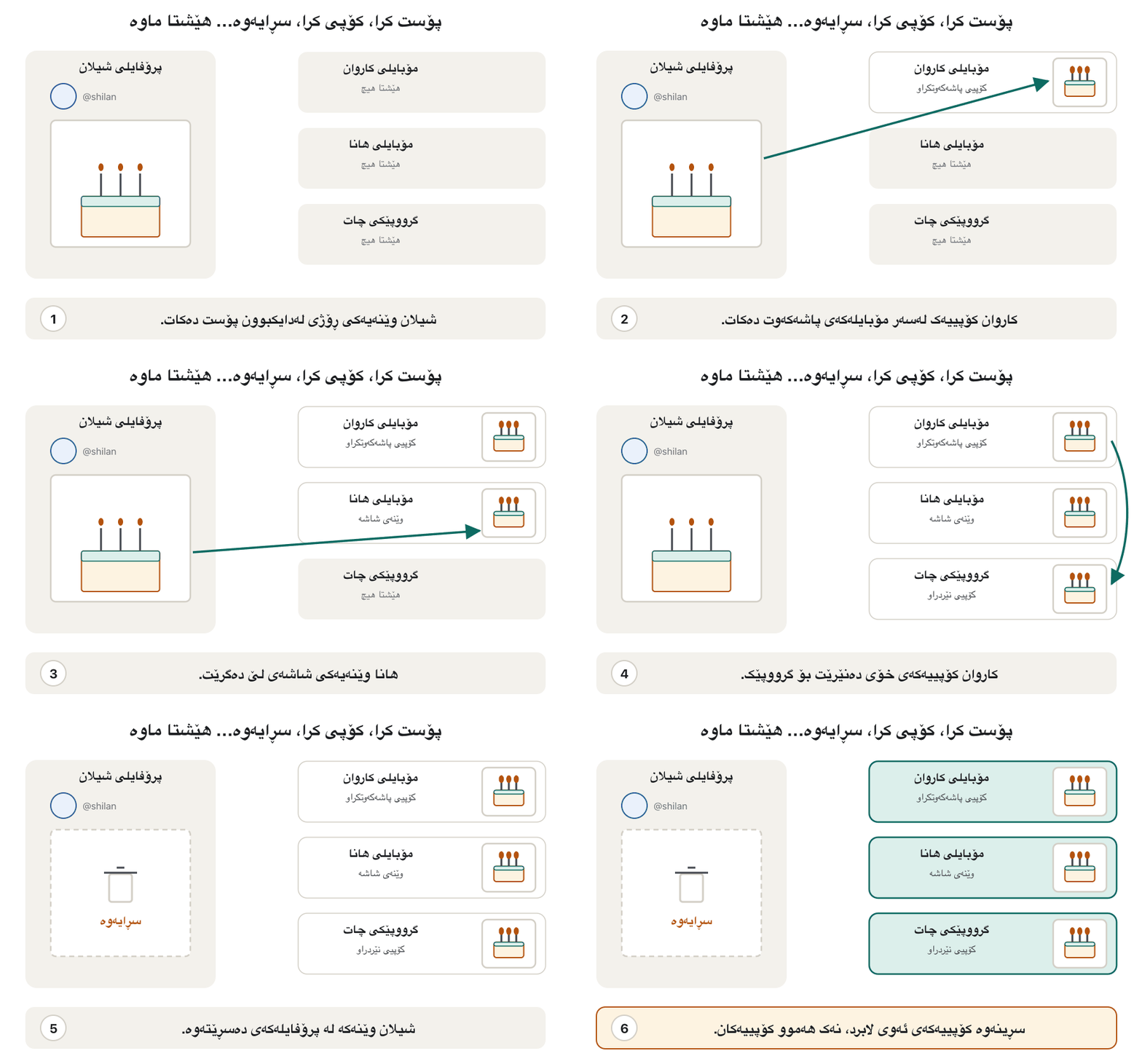
So the safest rule is the old one: think before you post. If you would not like your teacher, a future employer or a stranger to see a photo in five years' time, do not upload it. In some places the law gives people a right to have their data erased, but even a law cannot pull back the copies other people have already saved.
بۆیە سەلامەتترین ڕێسا هەمان ڕێسا کۆنەکەیە: پێش پۆستکردن بیر بکەرەوە. ئەگەر پێت خۆش نییە مامۆستاکەت، خاوەنکارێکی داهاتوو یان کەسێکی نەناسراو پێنج ساڵی تر وێنەیەک ببینێت، باری مەکە. لە هەندێک شوێن یاسا مافی سڕینەوەی دراوە دەدات بە خەڵک، بەڵام تەنانەت یاساش ناتوانێت ئەو کۆپییانە بگەڕێنێتەوە کە کەسانی تر پێشتر پاشەکەوتیان کردوون.
Can people judge you by your footprint?ئایا خەڵک دەتوانن بەپێی شوێنپێکانت هەڵتبسەنگێنن؟
Yes, they can — and they do. Before inviting someone to an interview, many employers search for the person's name. Universities, scholarship committees and even future in-laws sometimes look too. From what they find, they judge your attitude (how you talk to people, what you laugh at, whether you insult others) and your work ethic (are you reliable, careful and honest?).
بەڵێ، دەتوانن — و دەیکەن. پێش بانگهێشتکردنی کەسێک بۆ چاوپێکەوتن، زۆرێک لە خاوەنکاران بەدوای ناوی کەسەکەدا دەگەڕێن. زانکۆکان، لیژنەکانی زەمالە و تەنانەت خزمە داهاتووەکانیش هەندێک جار سەیر دەکەن. لەو شتانەی دەیدۆزنەوە، هەڵوێستت هەڵدەسەنگێنن (چۆن قسە لەگەڵ خەڵک دەکەیت، بە چی پێدەکەنیت، ئایا سووکایەتی بە خەڵک دەکەیت) و ئەخلاقی کارکردنت (ئایا جێی پشت پێبەستنیت، وریایت و ڕاستگۆیت؟).
The good news: a footprint can work for you as well. Helpful answers in a study group, a tidy page with your projects, polite and thoughtful comments — all of these show who you are at your best.
هەواڵی خۆش ئەوەیە کە شوێنپێ دەتوانێت بە سوودی تۆش کار بکات. وەڵامی بەسوود لە گرووپێکی خوێندندا، لاپەڕەیەکی ڕێکوپێک بە پرۆژەکانتەوە، کۆمێنتی بە ئەدەب و بیرلێکراوە — هەموویان پیشانی دەدەن لە باشترین شێوەتدا کێیت.
You are hiring a junior IT technician and you look at two candidates' public profiles. Candidate A shares short tutorials and answers beginners' questions politely. Candidate B posts insulting jokes about other groups of people and boasts about copying in exams. What do these footprints suggest about each one's attitude and work ethic? Is a footprint always a fair picture of a person?
تۆ تەکنیسیانێکی ITـی نوێ دادەمەزرێنیت و سەیری پرۆفایلە گشتییەکانی دوو داواکار دەکەیت. داواکاری A فێرکاریی کورت بڵاو دەکاتەوە و بە ئەدەبەوە وەڵامی پرسیاری سەرەتاییەکان دەداتەوە. داواکاری B گاڵتەی سووکایەتیئامێز بە گرووپەکانی تری خەڵک بڵاو دەکاتەوە و شانازی بە کۆپیکردن لە تاقیکردنەوەکاندا دەکات. ئەم شوێنپێیانە چی دەربارەی هەڵوێست و ئەخلاقی کارکردنی هەریەکەیان پیشان دەدەن؟ ئایا شوێنپێ هەمیشە وێنەیەکی دادپەروەرانەی کەسێکە؟
Show answerوەڵامەکە پیشان بدە
A looks helpful, patient and willing to share knowledge — good signs for a support job. B suggests disrespect for others and dishonesty — a risk in any job, especially one with access to other people's computers.
A یارمەتیدەر، بە ئارام و ئامادە بۆ هاوبەشکردنی زانین دەردەکەوێت — نیشانەی باشن بۆ کارێکی پشتگیری. B نیشانەی بێڕێزی بەرامبەر خەڵک و ناڕاستگۆیی پیشان دەدات — لە هەر کارێکدا، بەتایبەتی کارێک کە دەستی بە کۆمپیوتەری خەڵکی تر دەگات.
But a footprint is not always fair. An old post may have been written at 14; a joke may be missing its context; a fake account may pretend to be someone. A fair judge asks the person before deciding. Your own job is easier: keep your footprint one you would be happy to explain.
بەڵام شوێنپێ هەمیشە دادپەروەر نییە. لەوانەیە پۆستێکی کۆن لە تەمەنی ١٤ ساڵیدا نووسرابێت؛ لەوانەیە گاڵتەیەک بێ چوارچێوەکەی خۆی بێت؛ لەوانەیە هەژمارێکی ساختە خۆی وەک کەسێک پیشان بدات. هەڵسەنگێنەرێکی دادپەروەر پێش بڕیاردان لە کەسەکە دەپرسێت. ئەرکی خۆت ئاسانترە: شوێنپێکانت بە شێوەیەک بهێڵەوە کە پێت خۆش بێت ڕوونیان بکەیتەوە.
Net etiquette: be ethicalئادابی ئینتەرنێت: پابەندی ئەخلاق بە
Netiquette (net + etiquette) is the set of good manners for the Internet. We follow manners when we meet people face to face; online we need them too. Good netizens are ethical, respectful and responsible. This screen and the next cover the first two. Being responsible — not bullying and not feeding trolls — comes later in the lesson.
کۆمەڵە ڕەفتارێکی باشە بۆ . کاتێک ڕووبەڕوو خەڵک دەبینین ئاداب ڕەچاو دەکەین؛ لە ئینتەرنێتیشدا پێویستمان پێیەتی. باش پابەندی ئەخلاقن، ڕێزگرن و بەرپرسیارن. ئەم شاشەیە و شاشەی داهاتوو دوو یەکەمیان باس دەکەن. بەرپرسیاربوون — ئازارنەدان و خۆراک نەدان بە — دواتر لەم وانەیەدا دێت.
Be ethical
پابەندی ئەخلاق بە
- Do not break copyright. Do not use other people's photos, music, videos or software without the owner's permission. Think twice before you stream or download from an unofficial site. What is allowed, and how to credit, is in Intellectual property and licences.
- Share what you know — carefully. Sharing knowledge online helps everyone. But first make sure you really know the topic, that what you share is true and clear, and check whether a good answer already exists, so you do not add confusion or repeat others.
- مەشکێنە. وێنە، مۆسیقا، ڤیدیۆ یان کەسانی تر بێ مۆڵەتی خاوەنەکەی بەکار مەهێنە. پێش سەیرکردن یان شت لە تۆڕگەیەکی نافەرمی دوو جار بیر بکەرەوە. چی ڕێگەپێدراوە و چۆن ناوی سەرچاوە دەهێنیت لە موڵکی هزری و مۆڵەتەکان هەیە.
- ئەوەی دەیزانیت هاوبەشی بکە — بە وریاییەوە. هاوبەشکردنی زانین لە ئینتەرنێتدا سوودی بۆ هەمووان هەیە. بەڵام سەرەتا دڵنیا بە کە بە ڕاستی بابەتەکە دەزانیت، ئەوەی بڵاوی دەکەیتەوە ڕاستە و ڕوونە، هەروەها بپشکنە ئایا وەڵامێکی باش پێشتر هەیە، بۆ ئەوەی سەرلێشێواوی زیاد نەکەیت یان قسەی کەسانی تر دووبارە نەکەیتەوە.
Net etiquette: be ethicalئادابی ئینتەرنێت: پابەندی ئەخلاق بە
Net etiquette: be respectfulئادابی ئینتەرنێت: ڕێزگر بە
- Respect privacy. You have a right to privacy and to express yourself; so does everyone else. Photos, files and messages shared privately between two people stay between those two. Never post or forward them without the other person's consent.
- Respect diversity. In a group or a public forum, people differ in knowledge, experience, culture, religion and opinion. Disagree with an idea politely; never attack the person.
- ڕێز لە بگرە. تۆ مافی و دەربڕینی خۆتت هەیە؛ هەموو کەسێکی تریش هەیەتی. ئەو وێنە، و نامانەی بە تایبەتی لە نێوان دوو کەسدا هاوبەش کراون لە نێوان ئەو دووانەدا دەمێننەوە. هەرگیز بێ کەسەکەی تر پۆستیان مەکە و مەیاننێرە بۆ کەسانی تر.
- ڕێز لە جیاوازی بگرە. لە گرووپێک یان گشتیدا، خەڵک لە زانین، ئەزموون، کولتوور، ئایین و بۆچووندا جیاوازن. بە ئەدەبەوە لەگەڵ بیرۆکەیەک ناکۆک بە؛ هەرگیز هێرش مەکە سەر کەسەکە.
Communication etiquette: be preciseئادابی پەیوەندیکردن: ورد بە
Digital communication includes e-mail, text and voice messages, phone and video calls, forums, comments and posts. Three habits make it work well: be precise, be polite and be credible.
پەیوەندیکردنی دیجیتاڵی ، نامەی نووسراو و دەنگی، پەیوەندیی تەلەفۆنی و ڤیدیۆیی، فۆرەم، کۆمێنت و پۆست دەگرێتەوە. سێ خوو وا دەکەن باش کار بکات: ورد بە، بە ئەدەب بە و جێی متمانە بە.
Be precise
ورد بە
- Respect people's time. Keep messages short and clear, do not send things that do not concern the person, and do not expect an instant answer — the other person may be busy.
- Respect data limits. Many people pay for mobile data by the gigabyte. Do not send a 200 MB video to a whole group. Compress large files, or put them in cloud storage and send a link instead. (Attachment size limits, and how to send a link instead, are in Attachments and their size limits.)
- ڕێز لە کاتی خەڵک بگرە. نامەکان کورت و ڕوون بنووسە، شتێک مەنێرە کە پەیوەندیی بە کەسەکەوە نییە و چاوەڕێی وەڵامی دەستبەجێ مەکە — لەوانەیە کەسەکەی تر سەرقاڵ بێت.
- ڕێز لە سنووری ئینتەرنێتی مۆبایلی خەڵک بگرە. زۆر کەس بە گێگابایت پارەی ئینتەرنێتی مۆبایل دەدەن. ڤیدیۆیەکی ٢٠٠ مێگابایتی بۆ هەموو گرووپێک مەنێرە. گەورە بپەستێنە، یان بیانخە ناو و لە جیاتیدا بنێرە. (سنووری قەبارەی و چۆنیەتیی ناردنی لە جیاتیان لە هاوپێچەکان و سنووری قەبارەیان هەیە.)
Communication etiquette: be preciseئادابی پەیوەندیکردن: ورد بە
Be polite and be credibleبە ئەدەب بە و جێی متمانە بە
Be polite whether the conversation is synchronous — happening in real time, like a chat, a call or a video meeting — or asynchronous — answered later, like e-mail, forum posts and comments. Even when you disagree, do not insult. If a message makes you angry, wait before you answer.
بە ئەدەب بە، جا گفتوگۆکە هاوکات بێت — لە هەمان کاتدا ڕوو بدات، وەک چات، پەیوەندیی تەلەفۆنی یان کۆبوونەوەی ڤیدیۆیی — یان ناهاوکات — دواتر وەڵام بدرێتەوە، وەک ، پۆستی فۆرەم و کۆمێنت. تەنانەت کاتێک ناکۆکیت، سووکایەتی مەکە. ئەگەر نامەیەک تووڕەی کردیت، پێش وەڵامدانەوە چاوەڕێ بکە.
| Pointخاڵ | Synchronous (real time)هاوکات (لە هەمان کاتدا) | Asynchronous (answered later)ناهاوکات (دواتر وەڵام دەدرێتەوە) |
|---|---|---|
| Examplesنموونە | chat, phone call, video lessonچات، پەیوەندیی تەلەفۆنی، وانەی ڤیدیۆیی | e-mail, forum post, comment، پۆستی فۆرەم، کۆمێنت |
| Good mannersڕەفتاری باش | take turns, mute your microphone when you are not speaking, do not shoutنۆرە بگرە، کاتێک قسە ناکەیت بێدەنگ بکە، هاوار مەکە | a clear subject, a greeting, your name; check before you press Sendبابەتێکی ڕوون، سڵاوێک، ناوی خۆت؛ پێش داگرتنی Send بیپشکنە |
Be credible
جێی متمانە بە
Every message you write adds to your reputation. In forums and groups, people read a person's earlier comments before they trust that person's advice. So check your facts, admit your mistakes and say where your information comes from.
هەر نامەیەک دەینووسیت شتێک بۆ ناوبانگت زیاد دەکات. لە فۆرەم و گرووپەکاندا، خەڵک پێش متمانەکردن بە ئامۆژگارییەکانی کەسێک، کۆمێنتە کۆنەکانی دەخوێننەوە. بۆیە ڕاستییەکانت بپشکنە، دان بە هەڵەکانتدا بنێ و بڵێ زانیارییەکانت لە کوێوە هاتوون.
Social media and why manners matterتۆڕە کۆمەڵایەتییەکان و بۆچی ئاداب گرنگە
Be secure: passwords, friends and fake newsخۆپارێز بە: تێپەڕەوشە، هاوڕێ و هەواڵی ساختە
- Choose your password wisely. Leaks of social-network accounts are often in the news. Use a long, unique password for each account, never tell it to anyone, and turn on a second sign-in step (MFA). See Making a good password, and more everyday habits in Five more everyday habits and Your own checklist.
- Know who you befriend. Social networks encourage you to add people you have never met. A profile can be fake — a stolen photo and an invented name. Accept people you know. Be careful with strangers who hurry you into a private chat, ask for photos or money, or flatter you a lot.
- Beware of fake news. False stories and fake 'official' announcements spread fast. Check before you believe or share — the next screen gives you three questions.
- بە ژیری هەڵبژێرە. دزەکردنی هەژماری زۆرجار هەواڵە. بۆ هەر هەژمارێک درێژ و تایبەت بەکار بهێنە، هەرگیز بە کەسی مەڵێ و هەنگاوی دووەمی چوونەژوورەوە () هەڵبکە. بڕوانە دروستکردنی تێپەڕەوشەیەکی باش و خووی ڕۆژانەی زیاتر لە پێنج خووی ڕۆژانەی تر و لیستی پشکنینی خۆت.
- بزانە هاوڕێیەتیی کێ دەکەیت. هانت دەدەن ئەو کەسانە زیاد بکەیت کە هەرگیز نەتبینیون. پرۆفایلێک دەکرێت ساختە بێت — وێنەیەکی دزراو و ناوێکی دروستکراو. ئەو کەسانە قبووڵ بکە کە دەیانناسیت. ئاگاداری ئەو نەناسراوانە بە کە پەلەت لێ دەکەن بۆ چاتی تایبەت، داوای وێنە یان پارە دەکەن، یان زۆر ستایشت دەکەن.
- ئاگاداری بە. چیرۆکی درۆ و ڕاگەیاندنی «فەرمی»ی ساختە خێرا بڵاو دەبنەوە. پێش باوەڕکردن و بڵاوکردنەوە بیپشکنە — شاشەی داهاتوو سێ پرسیارت دەداتێ.
Social media and why manners matterتۆڕە کۆمەڵایەتییەکان و بۆچی ئاداب گرنگە
A three-question check before you shareپشکنینێکی سێ پرسیاری پێش بڵاوکردنەوە
When a post makes you shocked, angry or excited, stop — strong feelings are exactly what fake news is made to cause. Before you believe it or share it, ask three questions:
کاتێک پۆستێک تووشی شۆک، تووڕەیی یان خرۆشانت دەکات، بوەستە — هەستی بەهێز ڕێک ئەو شتەیە کە بۆی دروست دەکرێت. پێش ئەوەی باوەڕی پێ بکەیت یان بڵاوی بکەیتەوە، سێ پرسیار بکە:
- Who is telling me this?کێ ئەمەم پێ دەڵێت؟
Look at the account or website behind the post. Is it a known news organisation or an official body, or a page nobody has heard of, created last month? A name or logo that looks official is not proof.
سەیری ئەو هەژمار یان بکە کە لە پشت پۆستەکەوەیە. ئایا دامەزراوەیەکی هەواڵیی ناسراوە یان لایەنێکی فەرمی، یان لاپەڕەیەکە کەس نەیبیستووە و مانگی ڕابردوو دروست کراوە؟ ناو یان لۆگۆیەک کە فەرمی دەردەکەوێت بەڵگە نییە.
- Who else reports it?کێی تر باسی دەکات؟
Search for the same story. If reliable news sites and the official pages of the people involved say nothing about it, be very careful.
بەدوای هەمان چیرۆکدا بگەڕێ. ئەگەر هەواڵیی جێی متمانە و لاپەڕە فەرمییەکانی لایەنە پەیوەندیدارەکان هیچی دەربارە نەڵێن، زۆر وریا بە.
- Where did it start, and when?لە کوێ و کەی دەستی پێکرد؟
Find the original. Old photos are often reused with new captions, and quotes are cut out of their context. Check the date and the place.
سەرچاوە ڕەسەنەکە بدۆزەرەوە. وێنە کۆنەکان زۆرجار بە نووسینی نوێوە دووبارە بەکار دەهێنرێنەوە و قسەکان لە چوارچێوەی خۆیان دادەبڕدرێن. بەروار و شوێنەکە بپشکنە.
If you are still not sure, do not share it. Sharing an untrue story 'just in case' helps it spread. This check follows the SIFT method (Stop, Investigate the source, Find better coverage, Trace to the original) that university libraries teach. How false news can harm a whole country is in Misinformation and fake news.
ئەگەر هێشتا دڵنیا نیت، بڵاوی مەکەرەوە. بڵاوکردنەوەی چیرۆکێکی ناڕاست «بۆ دڵنیایی» یارمەتیی بڵاوبوونەوەی دەدات. ئەم پشکنینە شوێن ڕێگای SIFT دەکەوێت (بوەستە، سەرچاوەکە بپشکنە، باسکردنی باشتر بدۆزەرەوە، بگەڕێوە بۆ سەرچاوە ڕەسەنەکە) کە کتێبخانەی زانکۆکان فێری دەکەن. چۆن دەتوانێت زیان بە هەموو وڵاتێک بگەیەنێت لە زڕزانیاری و هەواڵی ساختە هەیە.
The SIFT method for checking a claim before you share it: Stop, Investigate the source, Find better coverage, Trace claims back to the original.
ڕێگای SIFT بۆ پشکنینی قسەیەک پێش ئەوەی بڵاوی بکەیتەوە: بوەستە، سەرچاوەکە بپشکنە، باسکردنی باشتر بدۆزەرەوە و قسەکە بگەڕێنەوە بۆ سەرچاوە ڕەسەنەکەی.
Segment 4:02-8:10: misinformation and disinformation, then the SIFT method step by step (the method this screen names), and why posts on social media and AI chatbots are not primary sources.
لە 4:02 تا 8:10 پەخش دەبێت: و disinformation (درۆی ئەنقەست)، پاشان ڕێگای SIFT هەنگاو بە هەنگاو (ئەو ڕێگایەی ئەم شاشەیە ناوی دەهێنێت)، هەروەها بۆچی پۆستەکانی و سەرچاوەی ڕەسەن نین.
Social media and why manners matterتۆڕە کۆمەڵایەتییەکان و بۆچی ئاداب گرنگە
Be reliable: think before you uploadجێی پشت پێبەستن بە: پێش بارکردن بیر بکەرەوە
You can upload almost anything. But once it is uploaded it sits on the platform's servers, and — as you saw — deleting it later does not remove every copy. Be especially careful with sensitive things: ID cards and passports, exam results, medical papers, your home address and private photos of yourself or of others.
دەتوانیت نزیکەی هەموو شتێک بار بکەیت. بەڵام کاتێک شتێک بار کرا، لەسەر پلاتفۆرمەکە دەمێنێتەوە و — وەک بینیت — سڕینەوەی دواتر هەموو کۆپییەکان لا نابات. بەتایبەتی ئاگاداری شتە هەستیارەکان بە: کارتی ناسنامە و پاسپۆرت، ئەنجامی تاقیکردنەوە، بەڵگەنامەی پزیشکی، ناونیشانی ماڵەکەت و وێنەی تایبەتی خۆت یان کەسانی تر.
- Before you upload, ask: would I be happy for everyone — family, teachers, a future employer — to see this in five years?
- Check who can see it (public, friends, one group) in the privacy settings.
- Never post a photo that shows your ID or passport number, a boarding pass, or your house with its address visible.
- پێش ، بپرسە: ئایا پێم خۆشە هەمووان — خێزان، مامۆستاکان، خاوەنکارێکی داهاتوو — پێنج ساڵی تر ئەمە ببینن؟
- لە ڕێکخستنەکانی بپشکنە کێ دەتوانێت بیبینێت (گشتی، هاوڕێکان، یەک گرووپ).
- هەرگیز وێنەیەک پۆست مەکە کە ژمارەی ناسنامە یان پاسپۆرتەکەت، پسوولەی سواربوونی فڕۆکە، یان ماڵەکەت لەگەڵ ناونیشانێکی دیار پیشان بدات.
Cyberbullyingئازاردانی سایبەری
Being responsible online starts with not hurting people. Cyberbullying is bullying with digital technology — on social media, in messaging apps, in online games or by phone. UNICEF describes it as repeated behaviour meant to scare, anger or shame the person who is targeted. Examples:
بەرپرسیاربوون لە ئینتەرنێتدا بە ئازارنەدانی خەڵک دەست پێ دەکات. ئازاردانە بە تەکنەلۆجیای دیجیتاڵی — لە ، لە نامەناردن، لە یارییە ئۆنلاینەکان یان بە مۆبایل. UNICEF وەک ڕەفتارێکی دووبارە وەسفی دەکات کە مەبەستی ترساندن، تووڕەکردن یان شەرمەزارکردنی ئەو کەسەیە کە کراوەتە ئامانج. نموونەکان:
- spreading lies or rumours about someone;
- posting embarrassing photos or videos of them;
- sending hurtful, insulting or threatening messages;
- sharing someone's private information — phone number, address, private photos;
- making a fake account that pretends to be the victim;
- leaving someone out of a group on purpose and mocking them;
- sexual harassment, including fake pictures made with AI tools.
- بڵاوکردنەوەی درۆ یان دەنگۆ دەربارەی کەسێک؛
- پۆستکردنی وێنە یان ڤیدیۆی شەرمهێنەری؛
- ناردنی نامەی دڵئازار، سووکایەتیئامێز یان هەڕەشەئامێز؛
- بڵاوکردنەوەی زانیاریی تایبەتی کەسێک — ژمارەی مۆبایل، ناونیشان، وێنەی تایبەت؛
- دروستکردنی هەژمارێکی ساختە کە خۆی وەک قوربانییەکە پیشان دەدات؛
- دەرهێشتنی کەسێک لە گرووپێک بە ئەنقەست و گاڵتەپێکردنی؛
- ئازاردانی سێکسی، لەوانە وێنەی ساختە کە بە ئامرازەکانی دروست دەکرێن.
Bullying with digital technology: repeated messages, posts or pictures meant to scare, anger or shame someone, such as threats, rumours, embarrassing photos or fake accounts that pretend to be the victim.
ئازاردانی کەسێکە بە تەکنەلۆجیای دیجیتاڵی: نامە، پۆست یان وێنەی دووبارە کە مەبەستیان ترساندن، تووڕەکردن یان شەرمەزارکردنی کەسێکە، وەک هەڕەشە، دەنگۆ، وێنەی شەرمهێنەر یان هەژماری ساختە کە خۆی وەک قوربانییەکە پیشان دەدات.
Cyberbullyingئازاردانی سایبەری
Why it hurts — and why it is not anonymousبۆچی ئازار دەدات — و بۆچی بێناو نییە
Some people, especially new users, feel that what happens online 'is not real'. It is. Victims can feel upset, ashamed or afraid, lose sleep and interest in things they used to enjoy, and stop going to school; in the worst cases cyberbullying has led to self-harm. And it is not anonymous: accounts, IP addresses, phone numbers and screenshots — footprints — can be traced back to the bully.
هەندێک کەس، بەتایبەتی بەکارهێنەرە نوێیەکان، هەست دەکەن ئەوەی لە ئینتەرنێتدا ڕوو دەدات «ڕاستەقینە نییە». ڕاستەقینەیە. قوربانییەکان دەکرێت خەمبار، شەرمەزار یان ترساو بن، خەو و حەزیان بۆ ئەو شتانە لەدەست بدەن کە پێشتر پێیان خۆش بوو و واز لە قوتابخانە بهێنن؛ لە خراپترین حاڵەتدا بووەتە هۆی ئازاردانی خۆ. هەروەها بێناو نییە: هەژمارەکان، ، ژمارەی مۆبایل و — واتە شوێنپێکان — دەکرێت بگەڕێنرێنەوە بۆ ئازاردەرەکە.
Cyberbullyingئازاردانی سایبەری
Trolls: do not feed themترۆڵەکان: خۆراکیان مەدەرێ
An Internet troll is someone who posts provoking, insulting or off-topic messages on purpose, just to start quarrels and upset people — often for fun. Trolls live on attention: every angry reply is 'food'. So the best answer is usually no answer: do not feed the troll. Keep the discussion on topic, or leave it.
کەسێکە کە بە ئەنقەست نامەی وروژێنەر، سووکایەتیئامێز یان دوور لە بابەت بڵاو دەکاتەوە، تەنها بۆ نانەوەی شەڕەقسە و تووڕەکردنی خەڵک — زۆرجار بۆ خۆشی. بە سەرنج دەژین: هەر وەڵامێکی تووڕە «خۆراکە». بۆیە زۆرجار باشترین وەڵام بێوەڵامییە: خۆراک مەدە بە . گفتوگۆکە لەسەر بابەتەکە بهێڵەوە، یان جێی بهێڵە.
A person who posts provoking, insulting or off-topic messages on purpose, to start quarrels and get attention. Usually the best answer is no answer: do not feed the troll.
کەسێکە کە بە ئەنقەست نامەی وروژێنەر، سووکایەتیئامێز یان دوور لە بابەت بڵاو دەکاتەوە بۆ نانەوەی شەڕەقسە و ڕاکێشانی سەرنج. زۆرجار باشترین وەڵام بێوەڵامییە: «خۆراک مەدە بە ترۆڵ».
| Pointخاڵ | Troll | Bullyئازاردەر |
|---|---|---|
| Targetئامانج | anyone who will reactهەر کەسێک کاردانەوەی هەبێت | usually one particular personزۆرجار کەسێکی دیاریکراو |
| Aimمەبەست | attention and quarrelsسەرنج و شەڕەقسە | to hurt, shame or controlئازاردان، شەرمەزارکردن یان کۆنترۆڵکردن |
| Best responseباشترین وەڵام | ignore; hide, mute or report the commentفەرامۆشکردن؛ شاردنەوە، بێدەنگکردن یان ڕاپۆرتکردنی کۆمێنتەکە | stop, save, block, report, tell (next screen)بوەستە، پاشەکەوت بکە، بلۆک بکە، ڕاپۆرت بکە، پێی بڵێ (شاشەی داهاتوو) |
If a troll moves on to threats, to hate against a group of people, or to attacking one person again and again, it is no longer 'just trolling': treat it as bullying or abuse and report it.
ئەگەر بگوازێتەوە بۆ هەڕەشە، ڕق بەرامبەر گرووپێک لە خەڵک، یان هێرشکردنە سەر یەک کەس جار لە دوای جار، چیتر «تەنها ترۆڵکردن» نییە: وەک ئازاردان یان دەستدرێژی مامەڵەی لەگەڵ بکە و ڕاپۆرتی بکە.
Why people troll online: anonymity and distance, the personality traits linked to trolling, how communities respond, and why not feeding trolls works.
بۆچی خەڵک لە ئۆنلایندا دەبنە : نەناسراوی و دووری، ئەو سیفەتە کەسییانەی پەیوەستن پێیەوە، وەڵامی کۆمەڵگاکان و بۆچی خۆراک نەدان بە سوودی هەیە.
Whole video (8:55): what trolling is, what makes a troll 2:16, the psychology behind it 4:38, and the advice not to feed them.
هەموو ڤیدیۆکە (8:55): چییە، چی کەسێک دەکاتە 2:16، دەروونناسیی پشتی 4:38، هەروەها ئامۆژگاریی «خۆراکیان مەدەرێ».
Cyberbullyingئازاردانی سایبەری
What to do: stop, save, block, report, tellچی بکەیت: بوەستە، پاشەکەوت بکە، بلۆک بکە، ڕاپۆرت بکە، پێی بڵێ
If you are cyberbullied, remember first: it is not your fault, and you do not have to face it alone. Five steps help.
ئەگەر تووشی بوویت، سەرەتا لە بیرت بێت: تاوانی تۆ نییە و پێویست ناکات بە تەنها ڕووبەڕووی ببیتەوە. پێنج هەنگاو یارمەتیت دەدەن.
- Stopبوەستە
Do not reply and do not take revenge. An angry answer gives the bully what they want, and it can get you into trouble too.
وەڵام مەدەرەوە و تۆڵە مەکەرەوە. وەڵامێکی تووڕە ئەوە دەدات بە ئازاردەرەکە کە دەیەوێت و دەکرێت تۆش تووشی کێشە بکات.
- Saveپاشەکەوت بکە
Keep the evidence: screenshots of the messages and posts, the account names and links, and the dates and times. Evidence helps the platform, your school and the police to act.
بەڵگەکان بپارێزە: نامە و پۆستەکان، ناو و هەژمارەکان و بەروار و کاتەکان. بەڵگە یارمەتیی پلاتفۆرمەکە، قوتابخانەکەت و پۆلیس دەدات کار بکەن.
- Blockبلۆک بکە
Block the account, and use the app's settings to limit who can comment on your posts or send you messages.
هەژمارەکە بلۆک بکە و ڕێکخستنەکانی بەکار بهێنە بۆ سنووردارکردنی ئەوەی کێ دەتوانێت لەسەر پۆستەکانت کۆمێنت بنووسێت یان نامەت بۆ بنێرێت.
- Reportڕاپۆرت بکە
Report the post, the message or the account to the platform. The big apps say that reports are anonymous or confidential: the bully is not told who reported.
پۆستەکە، نامەکە یان هەژمارەکە بە پلاتفۆرمەکە ڕاپۆرت بکە. ئەپە گەورەکان دەڵێن ڕاپۆرتەکان بێناو یان نهێنین: بە ئازاردەرەکە ناوترێت کێ ڕاپۆرتی کردووە.
- Tellپێی بڵێ
Tell a trusted adult — a parent, a relative, a teacher or the school counsellor. If you are in danger, contact the police or emergency services at once.
بە گەورەیەکی جێی متمانە بڵێ — دایک و باوک، خزمێک، مامۆستایەک یان ڕاوێژکاری قوتابخانە. ئەگەر لە مەترسیدایت، یەکسەر پەیوەندی بە پۆلیس یان خزمەتگوزارییەکانی فریاکەوتنەوە بکە.
Cyberbullyingئازاردانی سایبەری
If it happens to a friendئەگەر بە هاوڕێیەکت ڕوو بدات
Listen and be kind. Do not join in or forward the post; help your friend save the evidence; report it (on most platforms you can report for someone else); and go with them to a trusted adult. Your support can make a real difference.
گوێی لێ بگرە و میهرەبان بە. بەشداری مەکە و پۆستەکە مەنێرە بۆ کەسانی تر؛ یارمەتیی هاوڕێکەت بدە بەڵگەکان بپارێزێت؛ ڕاپۆرتی بکە (لە زۆربەی پلاتفۆرمەکاندا دەتوانیت لە جیاتی کەسێکی تر ڕاپۆرت بکەیت)؛ و لەگەڵیدا بڕۆ بۆ لای گەورەیەکی جێی متمانە. پشتگیرییەکەت دەتوانێت جیاوازییەکی ڕاستەقینە دروست بکات.
Cyberbullyingئازاردانی سایبەری
Activity: how to report on a social networkچالاکی: چۆن لە تۆڕێکی کۆمەڵایەتیدا ڕاپۆرت بکەیت
Every big social network has a Report option. The exact words change from app to app and from update to update, but the steps are almost always the same:
هەموو ، بەتایبەتی گەورەکان، بژاردەیەکیان بۆ ڕاپۆرتکردن (Report) هەیە. وشە وردەکان لە ئەپێکەوە بۆ ئەپێکی تر و لە نوێکردنەوەیەکەوە بۆ یەکێکی تر دەگۆڕێن، بەڵام هەنگاوەکان نزیکەی هەمیشە یەکن:
Open the post, comment, message or profile you want to report.
ئەو پۆست، کۆمێنت، نامە یان پرۆفایلە بکەرەوە کە دەتەوێت ڕاپۆرتی بکەیت.
Tap the three dots (⋯) next to it, or press and hold the message or comment.
کرتە لەسەر سێ خاڵەکە (⋯) لە تەنیشتیەوە بکە، یان پەنجە لەسەر نامەکە یان کۆمێنتەکە دابگرە و ڕایبگرە.
Choose Report.
Report هەڵبژێرە.
Pick the reason that fits best, for example Bullying or harassment, Hate speech or Pretending to be someone.
ئەو هۆکارە هەڵبژێرە کە باشتر دەگونجێت، بۆ نموونە Bullying or harassment (ئازاردان یان بێزارکردن)، Hate speech (وتاری ڕق) یان Pretending to be someone (خۆ وەک کەسێکی تر پیشاندان).
Follow the remaining steps and submit. Then block the account if you have not already done so.
هەنگاوەکانی تر تەواو بکە و بینێرە. پاشان ئەگەر هێشتا بلۆکت نەکردووە، هەژمارەکە بلۆک بکە.
In one social network you use, find the Report option for (a) a comment, (b) a whole profile and (c) a private message, but stop before you send anything. Write down the path for each. Then find the settings that let you limit who can comment on your posts and who can send you messages.
لە کە بەکاری دەهێنیت، بژاردەی Report بدۆزەرەوە بۆ (أ) کۆمێنتێک، (ب) پرۆفایلێکی تەواو و (ج) نامەیەکی تایبەت، بەڵام پێش ناردنی هیچ شتێک بوەستە. ڕێگای هەر یەکەیان بنووسە. پاشان ئەو ڕێکخستنانە بدۆزەرەوە کە ڕێگەت پێ دەدەن سنوور دابنێیت بۆ ئەوەی کێ دەتوانێت لەسەر پۆستەکانت کۆمێنت بنووسێت و کێ دەتوانێت نامەت بۆ بنێرێت.
Show answerوەڵامەکە پیشان بدە
- Comment: press and hold the comment, or tap ⋯ next to it → Report.
- Profile: open the profile → ⋯ at the top → Report.
- Message: press and hold the message → Report (in some apps: open the chat → the person's name → Report).
- Settings: usually under Settings → Privacy: who can comment (everyone, friends, nobody), who can message you, filters for offensive words, and 'restrict' or 'limit' tools.
- کۆمێنت: پەنجە لەسەر کۆمێنتەکە دابگرە، یان کرتە لە ⋯ لە تەنیشتیەوە بکە ← Report.
- پرۆفایل: پرۆفایلەکە بکەرەوە ← ⋯ لە سەرەوە ← Report.
- نامە: پەنجە لەسەر نامەکە دابگرە ← Report (لە هەندێک ئەپدا: چاتەکە بکەرەوە ← ناوی کەسەکە ← Report).
- ڕێکخستنەکان: زۆرجار لە ژێر ڕێکخستنەکان ← : کێ دەتوانێت کۆمێنت بنووسێت (هەمووان، هاوڕێکان، هیچ کەس)، کێ دەتوانێت نامەت بۆ بنێرێت، فلتەر بۆ وشەی ناشیرین و ئامرازەکانی «سنووردارکردن».
The exact names differ between apps and change with updates; each platform's help centre has the current steps.
ناوە وردەکان لە نێوان ئەپەکاندا جیاوازن و لەگەڵ دەگۆڕێن؛ ناوەندی یارمەتیی هەر پلاتفۆرمێک هەنگاوە نوێیەکانی هەیە.
The law at homeیاسا لە وڵاتی خۆمان
Some online acts are not only bad manners — they are crimes. In the Kurdistan Region, Law No. 6 of 2008 on preventing the misuse of telecommunication devices punishes using a phone, e-mail or the Internet to threaten or insult people, to spread fabricated news, or to publish private information that harms someone. Iraq as a whole has no dedicated cybercrime law in force as of October 2026 (a bill had its first reading in parliament on 6 July 2026 but has not passed), but general criminal law, mainly the Penal Code of 1969 — on threats, defamation and fraud — still applies. The details, dates and sources are in The law at home: Iraq and the Kurdistan Region.
هەندێک کاری ئۆنلاین تەنها ڕەفتاری خراپ نین — تاوانن. لە هەرێمی کوردستان، یاسای ژمارە ٦ی ساڵی ٢٠٠٨ دەربارەی ڕێگرتن لە خراپ بەکارهێنانی ئامێرەکانی پەیوەندیکردن سزای بەکارهێنانی مۆبایل، یان دەدات بۆ هەڕەشەکردن یان سووکایەتیکردن بە خەڵک، بڵاوکردنەوەی ، یان بڵاوکردنەوەی زانیاریی تایبەت کە زیان بە کەسێک دەگەیەنێت. تا تشرینی یەکەمی ٢٠٢٦ عێراق بە گشتی یاسایەکی تایبەتی کارپێکراوی نییە (پڕۆژەیاسایەک لە ٦ی تەممووزی ٢٠٢٦دا یەکەم خوێندنەوەی لە پەرلەمان بۆ کرا، بەڵام پەسەند نەکراوە)، بەڵام یاسای گشتیی تاوانکاری، بە تایبەتی یاسای سزادانی ١٩٦٩ — دەربارەی هەڕەشە، ناوزڕاندن و فێڵ — هێشتا کار دەکات. وردەکاری، بەروار و سەرچاوەکان لە یاسا لە وڵاتی خۆمان: عێراق و هەرێمی کوردستان هەن.
Cases to think aboutحاڵەتگەلێک بۆ بیرکردنەوە
After a lab session, Aram forgets to sign out of his e-mail on a lab computer. Karwan sits down at the same computer, sees that he is logged in as Aram, and sends angry, insulting e-mails to some classmates from Aram's account. Is this (a) hacking, (b) identity theft, (c) cyberbullying or (d) plagiarism? Explain.
دوای وانەیەکی تاقیگە، ئارام بیری دەچێت لە لەسەر کۆمپیوتەرێکی تاقیگە بچێتە دەرەوە. کاروان لەسەر هەمان کۆمپیوتەر دادەنیشێت، دەبینێت وەک ئارام چووەتە ژوورەوە و لە هەژمارەکەی ئارامەوە تووڕە و سووکایەتیئامێز بۆ هەندێک هاوپۆل دەنێرێت. ئەمە (أ) هاککردنە، (ب) ، (ج) یان (د) ؟ ڕوونی بکەرەوە.
Show answerوەڵامەکە پیشان بدە
Best answer: (b) identity theft. Karwan pretends to be Aram by using his account, so the classmates believe Aram wrote the messages and Aram's name is damaged.
باشترین وەڵام: (ب) . کاروان بە بەکارهێنانی هەژمارەکەی ئارام خۆی وەک ئارام پیشان دەدات، بۆیە هاوپۆلەکان باوەڕ دەکەن ئارام نامەکانی نووسیوە و ناوی ئارام دەشکێت.
It is also more than one thing: the insulting messages are a form of cyberbullying towards the classmates, and using someone's account without permission is unauthorised access, which many laws treat as a crime even though no password was 'hacked'. It is not plagiarism — nobody's work was copied. The lesson for everyone: always sign out on shared computers.
هەروەها زیاتر لە یەک شتە: نامە سووکایەتیئامێزەکان جۆرێکن لە بەرامبەر هاوپۆلەکان. هەروەها بەکارهێنانی هەژماری کەسێک بێ مۆڵەت ، کە زۆر یاسا وەک تاوان سەیری دەکەن هەرچەندە هیچ «هاک» نەکرابێت. نییە — کاری کەس کۆپی نەکراوە. وانە بۆ هەمووان: لەسەر کۆمپیوتەری هاوبەش هەمیشە بچۆ دەرەوە.
After an argument with a friend, Dilan does three things. Which one is NOT cyberbullying? (a) She e-mails her friend: 'I'm sorry.' (b) She sends: 'Don't you dare call me or talk to me again, or you'll regret it.' (c) She makes an embarrassing edited picture of her friend and posts it on her account.
دوای ناکۆکییەک لەگەڵ هاوڕێیەکی، دیلان سێ کار دەکات. کامیان نییە؟ (أ) بۆ هاوڕێکەی دەنێرێت: «ببورە.» (ب) دەنێرێت: «جارێکی تر نەوێری تەلەفۆنم بۆ بکەیت یان قسەم لەگەڵ بکەیت، ئەگینا پەشیمان دەبیتەوە.» (ج) وێنەیەکی دەستکاریکراوی شەرمهێنەری هاوڕێکەی دروست دەکات و لەسەر هەژمارەکەی خۆی پۆستی دەکات.
Show answerوەڵامەکە پیشان بدە
(a) is not cyberbullying — it is an apology, which is exactly the right thing to do. (b) is a threat, and (c) is public humiliation with an edited picture; both are cyberbullying, and (b) may also break the law on threats.
(أ) نییە — داوای لێبوردنە، کە ڕێک کاری دروستە. (ب) هەڕەشەیە و (ج) شەرمەزارکردنی گشتییە بە وێنەیەکی دەستکاریکراو؛ هەردووکیان و لەوانەیە (ب) یاسای هەڕەشەش بشکێنێت.
Match each word with its description. Words: plagiarism, hacking, credit-card fraud, digital footprint. Descriptions: (1) breaking into someone's computer or account to read their private messages and files; (2) copying text from websites into your report and arranging it as if you wrote it; (3) the trail of data you leave whenever you use the Internet; (4) tricking people with a 'prize' so that they give their card or bank details, and then using them.
هەر وشەیەک لەگەڵ وەسفەکەی بگونجێنە. وشەکان: ، هاککردن، فێڵی کارتی بانکی، . وەسفەکان: (١) چوونە ناو یان هەژماری کەسێک بۆ خوێندنەوەی نامە و تایبەتییەکانی؛ (٢) کۆپیکردنی دەق لە بۆ ناو ڕاپۆرتەکەت و ڕێکخستنی وەک ئەوەی خۆت نووسیبێتت؛ (٣) ئەو شوێنەوارەی کە هەر جارێک بەکار دەهێنیت بەجێی دەهێڵیت؛ (٤) فێڵکردن لە خەڵک بە «خەڵاتێک» بۆ ئەوەی زانیاریی کارت یان بانکەکەیان بدەن، پاشان بەکارهێنانیان.
Show answerوەڵامەکە پیشان بدە
| Wordوشە | Descriptionوەسف |
|---|---|
| Plagiarism | 2 |
| Hackingهاککردن | 1 |
| Credit-card fraudفێڵی کارتی بانکی | 4 |
| Digital footprint | 3 |
The 'prize' trick in (4) is a kind of social engineering; plagiarism is explained in Intellectual property and licences.
فێڵی «خەڵات» لە (٤)دا جۆرێکە لە ئەندازیاریی کۆمەڵایەتی؛ لە موڵکی هزری و مۆڵەتەکان ڕوون کراوەتەوە.
Shilan posts photos from her birthday on a social network so that her friend Hana can see them. A few days later they argue, and Shilan deletes the photos so Hana cannot see them. That evening another friend shows Shilan one of the deleted photos: 'Hana forwarded it to me an hour ago.' Help Shilan with her questions: (a) How could Hana still have a photo I deleted? (b) Can anybody else see the deleted photos? (c) Weren't they removed from my digital footprint?
شیلان وێنەکانی ڕۆژی لەدایکبوونی لە پۆست دەکات بۆ ئەوەی هاوڕێکەی، هانا، بیانبینێت. چەند ڕۆژێک دواتر ناکۆک دەبن و شیلان وێنەکان دەسڕێتەوە بۆ ئەوەی هانا نەیانبینێت. ئەو ئێوارەیە هاوڕێیەکی تر یەکێک لە وێنە سڕاوەکان پیشانی شیلان دەدات: «هانا کاتژمێرێک لەمەوبەر ناردی بۆم.» یارمەتیی شیلان بدە لە پرسیارەکانیدا: (أ) چۆن هانا هێشتا وێنەیەکی هەیە کە من سڕیومەتەوە؟ (ب) ئایا کەسانی تریش دەتوانن وێنە سڕاوەکان ببینن؟ (ج) ئایا لە لانەبران؟
Show answerوەڵامەکە پیشان بدە
- (a) While the photos were online, Hana could save them, download them or take screenshots. Shilan's delete removed her own post, not Hana's copies.
- (b) Yes: everyone Hana sends them to, everyone those people send them to, and anyone who saved them earlier. The platform may also keep copies in its backups for a while.
- (c) No. Her footprint now includes the copies other people made. Deleting is not forgetting.
- What she can do now: ask Hana politely to delete the copies; if the photos are used to mock or shame her, save the evidence, report it to the platform and tell a trusted adult. Next time: think before posting, and share private photos only with people she trusts — or not at all.
- (أ) لە کاتێکدا وێنەکان لەسەر ئینتەرنێت بوون، هانا دەیتوانی پاشەکەوتیان بکات، دایانبەزێنێت یان لێ بگرێت. سڕینەوەکەی شیلان پۆستەکەی خۆی لابرد، نەک کۆپییەکانی هانا.
- (ب) بەڵێ: هەر کەسێک هانا بۆی بنێرێت، هەر کەسێک ئەوان بۆی بنێرن و هەر کەسێک پێشتر پاشەکەوتی کردبێت. لەوانەیە پلاتفۆرمەکەش بۆ ماوەیەک کۆپییان لە هەڵبگرێت.
- (ج) نەخێر. ئێستا ئەو کۆپییانەش دەگرێتەوە کە کەسانی تر دروستیان کردووە. سڕینەوە واتای لەبیرچوونەوە نییە.
- ئێستا چی دەتوانێت بکات: بە ئەدەبەوە داوا لە هانا بکات کۆپییەکان بسڕێتەوە؛ ئەگەر وێنەکان بۆ گاڵتەپێکردن یان شەرمەزارکردنی بەکار هێنران، بەڵگەکان بپارێزێت، بە پلاتفۆرمەکە ڕاپۆرتی بکات و بە گەورەیەکی جێی متمانە بڵێت. جاری داهاتوو: پێش پۆستکردن بیر بکاتەوە و وێنەی تایبەت تەنها لەگەڵ ئەو کەسانە هاوبەش بکات کە متمانەیان پێیەتی — یان هەر هاوبەشی نەکات.
Karwan plans a family trip to Duhok online. He (a) checks the weather, (b) looks for bus tickets and prices, (c) reads about places to visit and (d) compares hotel offers. Which of these actions leave a digital footprint?
کاروان بە ئۆنلاین پلان بۆ گەشتێکی خێزانی بۆ دهۆک دادەنێت. ئەو (أ) سەیری کەشوهەوا دەکات، (ب) بەدوای بلیتی پاس و نرخەکاندا دەگەڕێت، (ج) دەربارەی شوێنەکانی سەردان دەخوێنێتەوە و (د) پێشنیارەکانی ئوتێلەکان بەراورد دەکات. کام لەم کارانە بەجێ دەهێڵن؟
Show answerوەڵامەکە پیشان بدە
All four. Each search and each page he opens leaves passive prints: the search engine's history, the sites' cookies, his IP address and often his location. If he also types his name in a booking form, writes a review or posts 'Off to Duhok!', those are active prints. Hotel and bus adverts that follow him afterwards are the passive footprint at work — and a public post saying the whole family is away also tells strangers the house is empty.
هەر چواریان. هەر گەڕانێک و هەر لاپەڕەیەک کە دەیکاتەوە شوێنپێی ناچالاک بەجێ دەهێڵێت: مێژووی ، ، و زۆرجار شوێنی بوونی. ئەگەر ناوی خۆشی لە فۆڕمێکی حجزکردندا بنووسێت، هەڵسەنگاندنێک بنووسێت یان پۆست بکات «بەرەو دهۆک!»، ئەوانە شوێنپێی چالاکن. ئەو ڕیکلامانەی ئوتێل و پاس کە دواتر بەدوایدا دەکەون کاری شوێنپێی ناچالاکن — و پۆستێکی گشتی کە دەڵێت هەموو خێزانەکە لە ماڵ نین، بە نەناسراوانیش دەڵێت ماڵەکە چۆڵە.
How would you recognise that a friend is being cyberbullied? (a) Which online signs could you notice? (b) Which other signs could you see in daily life? (c) What protection exists where you live?
چۆن دەزانیت هاوڕێیەکت تووشی بووە؟ (أ) چ نیشانەیەکی ئۆنلاین دەتوانیت ببینیت؟ (ب) چ نیشانەیەکی تر لە ژیانی ڕۆژانەدا دەبینیت؟ (ج) لەو شوێنەی دەژیت چ پاراستنێک هەیە؟
Show answerوەڵامەکە پیشان بدە
- (a) Online signs: cruel comments or edited photos of them; being tagged in mocking posts; a fake account using their name or photo; being removed from a group chat and then laughed at; private photos or chats of theirs being passed around.
- (b) Everyday signs: they look upset or scared after using their phone, hide the screen, suddenly delete their accounts, avoid school or friends, sleep badly or lose interest in things they liked.
- (c) Protection: the platforms' rules and report buttons; the school's rules against bullying; and the law — in the Kurdistan Region the 2008 law on the misuse of telecommunication devices covers threats, insults and publishing private information, and general criminal law, mainly the Penal Code of 1969, applies across Iraq (see the law at home). Then act: listen, help save evidence, report, and go with your friend to a trusted adult.
- (أ) نیشانە ئۆنلاینەکان: کۆمێنتی دڵڕەق یان وێنەی دەستکاریکراوی؛ تاگکردنی لە پۆستی گاڵتەئامێزدا؛ هەژمارێکی ساختە بە ناو یان وێنەکەیەوە؛ دەرکردنی لە گرووپێکی چات و پاشان پێکەنین پێی؛ بڵاوبوونەوەی وێنە یان چاتە تایبەتییەکانی.
- (ب) نیشانە ڕۆژانەکان: دوای بەکارهێنانی مۆبایلەکەی خەمبار یان ترساو دەردەکەوێت، شاشەکە دەشارێتەوە، لەناکاو هەژمارەکانی دەسڕێتەوە، خۆی لە قوتابخانە یان هاوڕێکان دوور دەگرێت، خەوی تێک دەچێت یان حەزی بۆ ئەو شتانە نامێنێت کە پێی خۆش بوون.
- (ج) پاراستن: ڕێساکان و دوگمەکانی ڕاپۆرتی پلاتفۆرمەکان؛ ڕێساکانی قوتابخانە دژی ئازاردان؛ و یاسا — لە هەرێمی کوردستان یاسای ٢٠٠٨ دەربارەی خراپ بەکارهێنانی ئامێرەکانی پەیوەندیکردن هەڕەشە، سووکایەتی و بڵاوکردنەوەی زانیاریی تایبەت دەگرێتەوە و یاسای گشتیی تاوانکاریش، بە تایبەتی یاسای سزادانی ١٩٦٩، لە هەموو عێراقدا کار دەکات (بڕوانە یاسا لە وڵاتی خۆمان). پاشان کار بکە: گوێ بگرە، یارمەتی بدە بەڵگەکان بپارێزرێن، ڕاپۆرت بکە و لەگەڵ هاوڕێکەتدا بڕۆ بۆ لای گەورەیەکی جێی متمانە.
Common mistakesهەڵە باوەکان
| Mistakeهەڵە | Why it is wrongبۆچی هەڵەیە | Better ideaبیرۆکەی باشتر |
|---|---|---|
| 'Deleting a post removes it everywhere.'«سڕینەوەی پۆستێک لە هەموو شوێنێک لای دەبات.» | Copies, screenshots, forwarded messages and backups stayکۆپی، ، نامەی نێردراو و دەمێننەوە | Think before you postپێش پۆستکردن بیر بکەرەوە |
| 'I never post, so I have no footprint.'«هەرگیز پۆست ناکەم، کەواتە شوێنپێم نییە.» | Passive footprints are recorded anyway: searches, cookies, location, IP addressشوێنپێی ناچالاک هەر تۆمار دەکرێت: گەڕان، ، شوێن، | Check your browser and app privacy settingsڕێکخستنەکانی و بپشکنە |
| 'It was only a joke, so it isn't bullying.'«تەنها گاڵتە بوو، کەواتە ئازاردان نییە.» | Bullying is judged by what it does to the other person, not by your intentionئازاردان بەپێی ئەوە هەڵدەسەنگێنرێت کە چی بە کەسەکەی تر دەکات، نەک مەبەستی تۆ | Ask: would I be happy if this were about me? If not, stopبپرسە: ئەگەر ئەمە دەربارەی من بوایە پێم خۆش دەبوو؟ ئەگەر نا، بوەستە |
| 'If I argue with a troll long enough, they will stop.'«ئەگەر بە درێژی لەگەڵ مشتومڕ بکەم، دەوەستێت.» | Trolls want attention; every reply is food سەرنجیان دەوێت؛ هەر وەڵامێک خۆراکە | Ignore, hide, mute or reportفەرامۆشی بکە، بیشارەوە، بێدەنگی بکە یان ڕاپۆرتی بکە |
| 'Thousands shared it, so it must be true.'«هەزاران کەس بڵاویان کردووەتەوە، کەواتە دەبێت ڕاست بێت.» | Fake news spreads faster than corrections; numbers prove nothing لە ڕاستکردنەوەکان خێراتر بڵاو دەبێتەوە؛ ژمارە هیچ ناسەلمێنێت | Who says it? Who else reports it? Where did it start?کێ دەیڵێت؟ کێی تر باسی دەکات؟ لە کوێوە دەستی پێکرد؟ |
| 'If I'm bullied, I should answer the same way.'«ئەگەر ئازار درام، دەبێت بە هەمان شێوە وەڵام بدەمەوە.» | Revenge makes it worse and can make you look guilty tooتۆڵەکردنەوە خراپتری دەکات و دەکرێت تۆش تاوانبار دەربخات | Stop, save, block, report, tellبوەستە، پاشەکەوت بکە، بلۆک بکە، ڕاپۆرت بکە، پێی بڵێ |
| 'Online nobody knows it was me.'«لە ئینتەرنێتدا کەس نازانێت من بووم.» | Accounts, IP addresses, phone numbers and screenshots can be tracedهەژمار، ، ژمارەی مۆبایل و دەکرێت بەدوایاندا بچیت | Write as if your name and face were on every messageوا بنووسە وەک ئەوەی ناو و دەموچاوت لەسەر هەموو نامەیەک بێت |
Summary and reviewکورتە و پێداچوونەوە
- A netizen is anyone who uses digital technology and the Internet; a good one uses it safely, ethically and legally, with rights and duties like a citizen.
- Your digital footprint is the trail you leave online: active (what you choose to share) and passive (what is recorded while you browse — cookies, history, location, IP address).
- Footprints live in your browser and, mostly, on the companies' servers. Deleting removes your copy, not other people's copies or the backups.
- Employers and universities may judge your attitude and work ethic by your footprint — make it one you are proud of.
- Netiquette: be ethical (no copyright breaking; share only true, clear information) and respectful (privacy and consent; respect diversity). Communication: precise, polite, credible. Social media: secure (good passwords, careful friends, check before sharing) and reliable (think before uploading; never meet an online-only friend alone).
- Before sharing a surprising post: who says it, who else reports it, where and when did it start?
- Cyberbullying is repeated online behaviour meant to scare, anger or shame; a troll provokes for attention. Respond with stop · save · block · report · tell, and support friends who are targeted. Threats and insults by phone or Internet can be crimes — see the law at home.
- هەر کەسێکە کە تەکنەلۆجیای دیجیتاڵی و بەکار دەهێنێت؛ باش بە سەلامەتی، بە ئەخلاق و بەپێی یاسا بەکاری دەهێنێت، لەگەڵ ماف و ئەرکی وەک هاووڵاتییەک.
- ئەو شوێنەوارەیە کە لە ئینتەرنێتدا بەجێی دەهێڵیت: چالاک (ئەوەی هەڵیدەبژێریت هاوبەشی بکەیت) و ناچالاک (ئەوەی لە کاتی گەڕاندا تۆمار دەکرێت — ، مێژوو، شوێن، ).
- شوێنپێکان لە و، زۆربەیان، لەسەر کۆمپانیاکان دەمێننەوە. سڕینەوە کۆپییەکەی خۆت لا دەبات، نەک کۆپیی کەسانی تر یان .
- خاوەنکاران و زانکۆکان لەوانەیە بەپێی شوێنپێکانت هەڵوێست و ئەخلاقی کارکردنت هەڵبسەنگێنن — وای لێ بکە شانازیی پێوە بکەیت.
- : پابەندی ئەخلاق بە ( مەشکێنە؛ تەنها زانیاریی ڕاست و ڕوون هاوبەش بکە) و ڕێزگر بە ( و ؛ ڕێز لە جیاوازی بگرە). پەیوەندیکردن: ورد، بە ئەدەب، جێی متمانە. : خۆپارێز ( باش، هاوڕێی هەڵبژێردراو، پشکنین پێش بڵاوکردنەوە) و جێی پشت پێبەستن (پێش بیر بکەرەوە؛ هەرگیز بە تەنها هاوڕێیەکی تەنها-ئۆنلاین مەبینە).
- پێش بڵاوکردنەوەی پۆستێکی سەرسوڕهێنەر: کێ دەیڵێت، کێی تر باسی دەکات، لە کوێ و کەی دەستی پێکرد؟
- ڕەفتاری ئۆنلاینی دووبارەیە بۆ ترساندن، تووڕەکردن یان شەرمەزارکردن؛ بۆ سەرنج دەوروژێنێت. بە بوەستە · پاشەکەوت بکە · بلۆک بکە · ڕاپۆرت بکە · پێی بڵێ وەڵام بدەرەوە و پشتگیریی ئەو هاوڕێیانە بکە کە دەکرێنە ئامانج. هەڕەشە و سووکایەتی بە مۆبایل یان دەکرێت تاوان بن — بڕوانە یاسا لە وڵاتی خۆمان.
What is the difference between an active and a passive digital footprint? Give one example of each.جیاوازیی نێوان شوێنپێی دیجیتاڵیی چالاک و ناچالاک چییە؟ بۆ هەر یەکەیان نموونەیەک بهێنەرەوە.
Active: data you share on purpose, such as a comment or a form. Passive: data recorded without your action, such as cookies or location history.
چالاک: کە بە ئەنقەست هاوبەشی دەکەیت، وەک کۆمێنتێک یان فۆڕمێک. ناچالاک: کە بێ کاری تۆ تۆمار دەکرێت، وەک یان مێژووی شوێنەکان.
Give two reasons why a deleted photo may still be seen.دوو هۆکار بهێنەرەوە بۆ ئەوەی بۆچی وێنەیەکی سڕاوە هێشتا دەبینرێت.
Someone saved, forwarded or screenshotted it while it was online; the platform may still hold it on its servers or in backups for a while.
کەسێک لە کاتی ئۆنلاینبوونیدا پاشەکەوتی کردووە، ناردوویەتی یان لێ گرتووە؛ لەوانەیە پلاتفۆرمەکە هێشتا بۆ ماوەیەک لەسەر یان لە هەڵیبگرێت.
Name the three parts of communication etiquette.سێ بەشەکەی ئادابی پەیوەندیکردن ناو ببە.
Be precise (respect time and data limits), be polite (in synchronous and asynchronous channels) and be credible.
ورد بە (ڕێز لە کات و سنووری ئینتەرنێتی مۆبایلی خەڵک بگرە)، بە ئەدەب بە (لە کەناڵە هاوکات و ناهاوکاتەکاندا) و جێی متمانە بە.
What are the five steps if you are cyberbullied?ئەگەر تووشی ئازاردانی سایبەری بوویت پێنج هەنگاوەکە چین؟
Stop (no reply, no revenge), save the evidence, block, report to the platform, and tell a trusted adult.
بوەستە (نە وەڵام، نە تۆڵە)، بەڵگەکان پاشەکەوت بکە، بلۆک بکە، بە پلاتفۆرمەکە ڕاپۆرت بکە و بە گەورەیەکی جێی متمانە بڵێ.
Lesson complete!وانەکە تەواو بوو!
Well done. Review the key terms, then go on to the next lesson.دەستخۆش. سەیرێکی زاراوە سەرەکییەکان بکەرەوە، پاشان بڕۆ بۆ وانەی داهاتوو.
Key termsزاراوە سەرەکییەکان
Cyber Ethics and Ethical Hackingئەخلاقی سایبەری و هاککردنی ئەخلاقی
Related lecturesوانە پەیوەندیدارەکان
- Cyber Ethics and Ethical Hackingئەخلاقی سایبەری و هاککردنی ئەخلاقی
- Intellectual Property, Plagiarism and Software Licencesموڵکی هزری، دزیی زانستی و مۆڵەتەکانی بەکارهێنان
- Social Engineering and Phishingئەندازیاریی کۆمەڵایەتی و فیشینگ
- Passwords, MFA and Access Controlتێپەڕەوشەکان، MFA و کۆنترۆڵی دەستڕاگەیشتن
- Computer-Crime Laws: Budapest, the CFAA, the UK and the Law at Homeیاساکانی تاوانی سایبەری: بوداپێست، CFAA، بەریتانیا و یاسا لە وڵاتی خۆمان
- AI in Cybersecurity: Bias, Privacy, Surveillance and Deepfakesژیریی دەستکرد لە ئاسایشی سایبەردا: لاسەنگی، تایبەتێتی، چاودێری و دیپفەیکەکان
- Building a Security Cultureبونیادنانی کولتووری ئاسایش
- How E-mail Worksئیمەیڵ چۆن کار دەکات
- Communicating Onlineپەیوەندیکردن بە شێوەی ئۆنلاین
- Security and Online Safetyئاسایش و سەلامەتی لە ئینتەرنێتدا
- Cookiesکووکییەکان
References and further readingسەرچاوەکان و خوێندنەوەی زیاتر
- UNICEF: Cyberbullying — what is it and how to stop it (updated January 2026; definition, effects, saving evidence, blocking and reporting, helping a friend)
- Meta (Facebook Help Centre): What happens when you delete your account — up to 90 days to delete what you posted, backup copies, messages stay with friends
- Meta (Facebook Help Centre): How to report things — use the report link next to the post or profile
- UC Merced Library: The SIFT method (Stop, Investigate the source, Find better coverage, Trace claims) by Mike Caulfield
- NIST SP 800-63B: Digital Identity Guidelines — no forced periodic password changes
This lecture is a first edition. The Kurdish text and terminology are waiting for review by Kurdish IT teachers.ئەم وانەیە چاپی یەکەمە. دەقە کوردییەکە و زاراوەکانی چاوەڕێی پێداچوونەوەی مامۆستایانی کوردی بواری IT ن.
Social media and why manners matterتۆڕە کۆمەڵایەتییەکان و بۆچی ئاداب گرنگە
Social media are websites and apps where users create and share content — posts, photos, videos, comments — and interact with each other. Because millions of people can share and react within minutes, social media now shape politics (campaigns, protests, rumours), business (adverts, online shops, influencers), culture and education (study groups, video lessons). That power is why social-media manners matter.
ئەو و کە ناوەڕۆکیان تێدا دروست دەکەن و هاوبەشی دەکەن — پۆست، وێنە، ڤیدیۆ، کۆمێنت — و کارلێک لەگەڵ یەکتر دەکەن. لەبەر ئەوەی ملیۆنان کەس دەتوانن لە چەند خولەکێکدا شتێک هاوبەش بکەن و کاردانەوەیان هەبێت، ئێستا کاریگەری لەسەر سیاسەت (هەڵمەت، خۆپیشاندان، دەنگۆ)، بازرگانی (ڕیکلام، فرۆشگای ئۆنلاین، کاریگەرەکان)، کولتوور و پەروەردە (گرووپی خوێندن، وانەی ڤیدیۆیی) دادەنێن. ئەم هێزە هۆکاری گرنگیی ئادابی .